Waterloo gardeners for small courtyard gardens near Waterloo Station: a practical local guide
If you live or work close to Waterloo Station, you probably already know the reality: outdoor space is precious, often overlooked, and usually smaller than you hoped. A courtyard garden can still be a calm, green, beautifully finished space, but it needs the right eye. That is where Waterloo gardeners for small courtyard gardens near Waterloo Station really make a difference. The best results come from thoughtful planting, smart layout, and a clear understanding of how London spaces behave in shade, wind, noise, and everyday use.
In a compact courtyard, every decision matters. A plant that suits a larger garden may suddenly look clumsy in a small enclosed space. A hard surface that seems tidy on paper may feel cold and echoey in real life. And let's face it, if you are squeezing garden care between commuting, work, and actual life, you need practical advice, not fluff.
This guide explains what experienced local gardeners do, why it matters, how the process works, and what to look for if you want a courtyard that feels welcoming instead of cramped. You will also find a step-by-step approach, a comparison table, a real-world example, a checklist, and answers to common questions.
Table of Contents
- Why Waterloo gardeners for small courtyard gardens near Waterloo Station Matters
- How Waterloo gardeners for small courtyard gardens near Waterloo Station Works
- Key Benefits and Practical Advantages
- Who This Is For and When It Makes Sense
- Step-by-Step Guidance
- Expert Tips for Better Results
- Common Mistakes to Avoid
- Tools, Resources and Recommendations
- Law, Compliance, Standards, or Best Practice
- Options, Methods, or Comparison Table
- Case Study or Real-World Example
- Practical Checklist
- Conclusion
- Frequently Asked Questions
Why Waterloo gardeners for small courtyard gardens near Waterloo Station Matters
Small courtyard gardens in central London are not simply tiny versions of bigger gardens. They are their own type of space, with their own constraints and opportunities. Near Waterloo Station, you are often dealing with terraced properties, apartment courtyards, basement lightwells, enclosed patios, and compact communal spaces that need to do a lot in a very small footprint.
That matters because a courtyard garden has to balance more than appearance. It needs to work for daily life. Maybe you want a place to drink coffee before commuting. Maybe you need a low-maintenance green space that still looks good from the kitchen window. Or maybe the goal is to soften a hard, grey outdoor area that has felt unfinished for years. Whatever the reason, small-space gardening is most successful when the design is tailored to the site rather than copied from a larger suburban garden.
Waterloo gardeners who understand these spaces know how to handle awkward shade, reflected light from pale walls, paving that gets slippery, container planting that dries out quickly, and the constant challenge of making a small area feel calm rather than cluttered. In our experience, this is where good local knowledge really shows. One courtyard can feel intimate and leafy; another, just a few metres away, can become a hot, echoing slab if it is handled badly. The difference is usually in the planning.
It is also about value. A well-designed courtyard can improve everyday enjoyment and make a property feel more cared for. Not magically, not overnight, but noticeably. And when a space is small, even modest improvements carry weight.
How Waterloo gardeners for small courtyard gardens near Waterloo Station Works
The process usually begins with a site visit or at least a clear assessment of the space. A skilled gardener will look at light levels, drainage, access, soil condition, privacy, traffic noise, wind exposure, and how the space is actually used. That first stage is crucial. Without it, even beautiful planting can struggle.
For small courtyard gardens, the work often falls into a few practical stages:
- Assessment: measuring the space, checking sunlight and shade, and noting problem areas such as damp corners or exposed walls.
- Planning: deciding whether the garden needs a maintenance refresh, a planting redesign, better containers, or a full rework of materials and layout.
- Plant selection: choosing plants that cope with local conditions and remain attractive without swallowing the space.
- Installation: preparing beds or containers, improving soil, adding irrigation if needed, and placing plants for balance and access.
- Aftercare: setting a maintenance rhythm for pruning, feeding, watering, and seasonal replacement.
In a compact garden, the best gardeners think in layers. There is the structural layer: paving, seating, screens, pots, and edges. Then the planting layer: evergreen anchors, seasonal colour, shade-tolerant foliage, and maybe a few scent-focused plants near the doorway or seating area. Finally, there is the maintenance layer, which is often the bit people underestimate. A courtyard that looks effortless usually has a sensible aftercare plan behind it.
That is why many clients looking for a small-space specialist will also explore related services such as garden maintenance, garden design, and planting plans. Those services often overlap, especially where a courtyard needs both creative thinking and regular upkeep.
Key Benefits and Practical Advantages
A thoughtfully managed courtyard can do more than look neat. It can change how the whole property feels.
| Benefit | What it means in a Waterloo courtyard | Why it matters |
|---|---|---|
| Better use of space | Layout, containers, and planting are scaled to the area | Prevents the garden feeling crowded or awkward |
| Lower maintenance stress | Plants and materials are selected for the site and your schedule | Makes the garden easier to keep tidy year-round |
| Improved atmosphere | Leaf texture, scent, and soft screening reduce the hard-edge feel | Creates a calmer place to sit, read, or pause between tasks |
| Better privacy | Strategic planting and screens reduce overlooking | Helpful in dense central London settings |
| Cleaner seasonal structure | Evergreens and repeat shapes keep the space looking good in winter | Avoids the "bare in January" problem |
For many people, the biggest benefit is not even visual. It is the feeling of stepping outside and immediately sensing order. A courtyard can be small and still feel generous. That is the trick.
There is also a practical benefit to using a local gardener familiar with Waterloo conditions. Central London gardens often deal with shade from tall buildings, dry pockets near walls, and limited access for materials. A gardener who has worked in similar spaces will already know that a design has to be as workable as it is attractive. Truth be told, that saves time and reduces expensive do-overs.
Who This Is For and When It Makes Sense
This type of service is ideal if your outdoor area is small, enclosed, or a bit difficult to manage on your own. That could mean a terraced courtyard, a basement patio, a mews-style space, or a compact shared garden that needs a tidy, cohesive feel.
It makes sense if you:
- want a courtyard that looks better all year, not just in spring
- need low-maintenance planting that still feels intentional
- have poor or patchy light and do not know what will survive
- need help making a narrow or awkward layout feel balanced
- are preparing a rental, sale, or refresh before visitors arrive
- simply do not have time to keep on top of the details
It may also be the right call if you have tried a few DIY fixes and the garden still feels off. Maybe the pots are too small, or the plants keep stretching toward the light, or the whole thing has become a jumble of mismatched containers. Happens all the time. A good gardener does not just add more greenery. They help edit.
If the garden is part of a residential block or managed building, it can also be useful to look at broader support such as commercial garden services or a regular seasonal garden care programme, especially where several people share responsibility for the space.
Step-by-Step Guidance
If you are approaching a courtyard garden from scratch, or rescuing one that has become a bit of a tangle, this is the most sensible way to proceed.
- Start with the space itself. Measure the garden and note where the light falls during the day. Morning light and late-afternoon sun can support very different planting choices.
- Decide what the garden needs to do. Is it for sitting, screening, growing herbs, softening views, or all of the above? A courtyard cannot do everything equally well, so priorities matter.
- Clear and simplify. Remove the pots, furniture, or features that are not pulling their weight. Small spaces need breathing room.
- Choose the hard landscaping first. Surfaces, edging, screens, and seating should be sorted before planting, because they define the structure.
- Select plants for conditions, not wishful thinking. Shade-loving, drought-tolerant, or evergreen plants may be far more useful than a long list of favourites from a garden centre trip.
- Build in easy maintenance. Group plants with similar watering needs together and keep access clear so pruning and watering are not a nuisance.
- Plan for the next season, not just today. A courtyard should still look composed in winter, not disappear into a dull stump of soil and regret.
One small but useful decision is container size. Bigger is often better in a courtyard, within reason. Larger containers hold moisture more evenly and can look more settled in the space. Tiny pots dry out quickly and can create a scattered, busy feel. A few generous containers often beat a dozen little ones. Simple, but true.
For clients who need more structure, a gardener may also recommend a written plan or recurring visits. If that is your situation, a page like London gardeners can help you understand the wider range of services usually available in the city.
Expert Tips for Better Results
There are plenty of ways to improve a small courtyard, but a few principles consistently deliver better results.
1. Use repetition to create calm
Repeating a plant, pot material, or colour palette helps a small space feel intentional. In compact gardens, too many different forms can create visual noise. Repetition gives the eye somewhere to rest.
2. Mix structure with softness
Courtyards usually need hard surfaces, but too much straight paving can make them feel stark. Add structure through evergreen shrubs, clipped shapes, or screening, then soften the edges with ferns, grasses, or trailing plants where appropriate.
3. Think vertically
When floor space is tight, use walls, fences, trellises, and hanging planters carefully. Vertical planting can be brilliant, but it should not become a cluttered wall display. A couple of strong vertical features are usually better than five competing ones.
4. Plan watering before summer arrives
By the time a warm spell hits, a lot of small garden watering plans have already gone wrong. Courtyards dry out faster than many people expect, especially where brick, stone, and sheltered corners trap heat. If you are often away, irrigation or self-watering containers may be worth considering.
5. Leave room to move
A courtyard is not just something to look at. It needs to be usable. Leave clear access to doors, drains, and seating. A garden that is impossible to step through becomes annoying very quickly. Nobody wants to squeeze sideways past a rosemary hedge with a cup of tea.
A good gardener will also suggest practical maintenance routines, or arrange help through a garden clearance service if the space needs a proper reset before the new work begins.
Common Mistakes to Avoid
Small courtyard gardens go wrong in predictable ways. The good news is that most of them are avoidable.
- Overfilling the space. Too many pots, ornaments, and plant varieties make a small courtyard feel busy and smaller than it really is.
- Ignoring light levels. Sun-lovers placed in shade will struggle, and shade plants placed in a hot reflective corner may scorch.
- Using the wrong container size. Small pots can look temporary and need constant watering. Oversized containers, used well, often work better.
- Forgetting drainage. Courtyards can suffer from pooling water, especially if paving or levels are poorly planned.
- Choosing plants for a catalogue look, not for the site. The plant may be lovely, but if it hates your conditions, it will let you know. Repeatedly.
- Neglecting maintenance access. If you cannot reach the back corner to prune, water, or clear leaves, that corner will become a problem.
Another common mistake is expecting a courtyard to feel lush without any structure. Lushness is often created by a strong framework first. Without that, you just get a collection of plants. Nice enough, maybe, but not quite finished.
Tools, Resources and Recommendations
You do not need a shed full of professional kit to keep a small garden in shape, but a few basics make life easier.
- Good secateurs: for neat pruning and deadheading.
- Watering can or hose access: especially important for container-heavy courtyards.
- Soil improver or quality compost: useful when refreshing pots or improving tired beds.
- Mulch: helps retain moisture and reduce weeds.
- Plant labels or a simple plan: surprisingly helpful once the garden starts to grow into itself.
For ongoing upkeep, many people prefer a seasonal service rather than trying to remember everything themselves. If that sounds familiar, take a look at one-off garden tidy up options for quick resets, or residential garden maintenance if the goal is regular support.
You might also want to think in terms of plant categories rather than individual species. For example, evergreen backbone plants, shade-tolerant fillers, and seasonal accent plants. This is a simple way to avoid overcomplicating the design. To be fair, most good courtyard gardens are built on a fairly modest palette.
Law, Compliance, Standards, or Best Practice
For most small courtyard garden projects, there is usually no complicated legal process, but there are a few sensible best-practice points to keep in mind.
- Access and permissions: if the garden is part of a leasehold property, apartment block, or managed development, check who is responsible for changes before work begins.
- Neighbours and boundaries: keep planting, screening, and maintenance respectful of shared walls, fences, and overhanging growth.
- Waste disposal: garden waste should be handled responsibly, especially during clearances and larger refreshes.
- Water use: avoid unnecessary overwatering and consider drought-tolerant planting or water-saving methods where practical.
- Plant safety: if children, pets, or visitors use the space, avoid obviously problematic species and keep paths clear.
Where builders, electricians, or waterproofing specialists are involved, it is sensible to coordinate carefully. Courtyards often sit close to walls, basements, or drainage points, so a gardening plan should not interfere with building fabric. If you are unsure, ask before making permanent changes. A careful approach is usually the right one.
Good practice also includes checking whether your maintenance contractor has appropriate public liability cover and a clear plan for site access, disposal, and scheduling. That is not glamorous, granted, but it matters.
Options, Methods, or Comparison Table
There is no single best approach for every courtyard. The right method depends on how much time you have, how much change you want, and how the space is used.
| Approach | Best for | Pros | Trade-offs |
|---|---|---|---|
| Light tidy-up | Gardens that are mostly fine but messy | Quick, affordable, minimal disruption | Won't solve deeper layout or planting issues |
| Planting refresh | Courtyards with tired pots or patchy colour | Big visual improvement without full rebuild | Still depends on the existing hard landscaping |
| Full redesign | Awkward, underused, or poorly planned spaces | Best long-term transformation | More planning, more cost, more decisions |
| Maintenance contract | Busy households or shared gardens | Consistent standards, less stress | Ongoing commitment rather than one-off change |
If you are unsure which approach fits, start with the space's biggest pain point. Is it clutter? Poor planting? No time? Bad drainage? That answer usually points you in the right direction. No need to make it more complicated than it is.
Case Study or Real-World Example
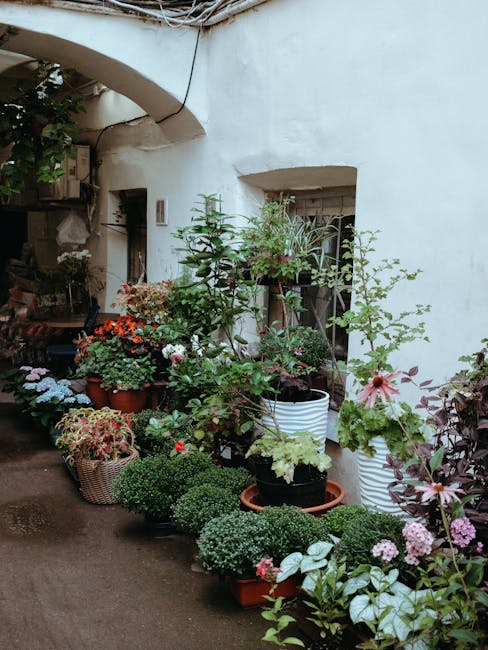
Imagine a narrow courtyard just a short walk from Waterloo Station: a mix of pale paving, a high boundary wall, and a few tired pots that had been left to fend for themselves. The space felt bright at midday but strangely bare in the evening, with nowhere comfortable to sit and no real sense of enclosure.
A gardener starting from that point would likely begin by stripping the space back. Remove damaged pots. Reassess the seating. Check for drainage around the edges. Then introduce a tighter planting scheme: a few evergreen structural plants, some shade-tolerant texture near the walls, and one or two more expressive seasonal plants near the seating area where they can be appreciated up close.
The result would not be a countryside fantasy. It would be something better suited to urban life: a courtyard that feels composed, easy to maintain, and quietly inviting. Maybe a small bench, a soft rustle from grasses in a breeze, and enough green to take the edge off the concrete and brick nearby. Not dramatic. Just much better.
That kind of improvement is often what clients really want. They are not asking for a magazine spread. They want a place that feels looked after, and that they can enjoy without more work piling up. Fair enough, really.
Practical Checklist
Use this before you book work or start a courtyard refresh.
- Have you measured the space and noted the light?
- Do you know what the garden needs to do day to day?
- Have you checked access for tools, materials, and waste removal?
- Are there any drainage issues, damp spots, or slippery surfaces?
- Have you decided whether you want a tidy-up, redesign, or ongoing maintenance?
- Are your chosen plants suitable for shade, wind, or dry conditions?
- Will the layout leave clear access to doors and walkways?
- Do you have a realistic watering and pruning plan?
- Have you checked permissions if the space is leasehold or shared?
- Have you thought about winter appearance as well as summer colour?
Expert summary: the best Waterloo courtyard gardens are usually not the busiest or most expensive ones. They are the ones that feel planned, easy to live with, and well matched to the actual conditions of the space. Small can be lovely. Small can be generous. You just need the right hand on it.
Conclusion
Waterloo gardeners for small courtyard gardens near Waterloo Station bring more than planting knowledge. They bring judgment, proportion, and the ability to make a tiny space feel calm, useful, and well cared for. That is what makes the difference between a courtyard that is merely present and one you actually enjoy using.
If you are comparing options, start with the basics: site conditions, maintenance needs, and the kind of atmosphere you want. From there, a good local gardener can help you strip away the clutter, choose practical planting, and build a space that fits central London life properly.
It does not have to be grand. It just has to work beautifully for you.
Get a free quote today and see how much you can save.
Frequently Asked Questions
What do Waterloo gardeners for small courtyard gardens near Waterloo Station actually do?
They assess the space, improve the layout, choose suitable planting, and maintain the garden so it works well in a compact urban setting. In many cases, they also help with clearing, pruning, container planting, and seasonal refreshes.
How do I know if my courtyard garden needs a redesign or just maintenance?
If the garden is structurally fine but messy, a tidy-up may be enough. If the space feels awkward, overcrowded, or hard to use, a redesign is usually worth considering. A gardener can help you decide after looking at the light, layout, and current planting.
Are small courtyard gardens hard to maintain in London?
They can be, mainly because enclosed spaces dry out quickly and need regular pruning to stay balanced. The good news is that with the right plant choices and a sensible maintenance routine, they can become much easier to manage.
What plants work well in a courtyard near Waterloo Station?
That depends on the light, but many courtyards do well with evergreen structure, shade-tolerant plants, and drought-aware container planting. A local gardener will usually recommend plants based on the actual conditions rather than a generic list.
How often should a small courtyard garden be maintained?
For most busy London households, a light monthly or seasonal visit may be enough for tidy spaces, while more demanding planting may need more regular care during spring and summer. The right frequency depends on the layout and the plant mix.
Can gardeners help with very tiny patios or basement courtyards?
Yes. In fact, very small or shaded spaces are often where a specialist gardener adds the most value. They can make the area feel less awkward and help avoid plants or materials that look out of scale.
Is irrigation worth it for a small courtyard garden?
It can be, especially if the space is container-heavy or gets strong reflected heat from walls and paving. Even simple watering systems or self-watering containers can reduce stress in the warmer months.
Do I need permission to change a courtyard garden in a leasehold property?
Sometimes, yes. It depends on the lease, management rules, and whether the space is private or shared. It is always wise to check before making any permanent changes, especially to hard landscaping or boundaries.
What is the biggest mistake people make with small courtyard gardens?
Overfilling them. Too many different plants, pots, and features can make the space feel smaller and harder to maintain. A restrained design with a few strong elements usually works better.
How much input should I have in the design?
As much as you want, honestly. Some people prefer to approve every plant choice, while others just want a dependable result. A good gardener should listen to your preferences and translate them into something practical.
Can a courtyard garden still feel green in winter?
Yes, if it includes evergreen structure, textured foliage, and perhaps a few carefully chosen containers. Winter interest is especially important in small spaces, because bare corners can look harsh very quickly.
What should I ask before hiring a gardener for a small courtyard?
Ask about experience with small urban gardens, maintenance plans, plant selection, access needs, waste removal, and whether they have worked in similar central London settings. The best fit is usually someone who understands both design and the practical realities of the site.