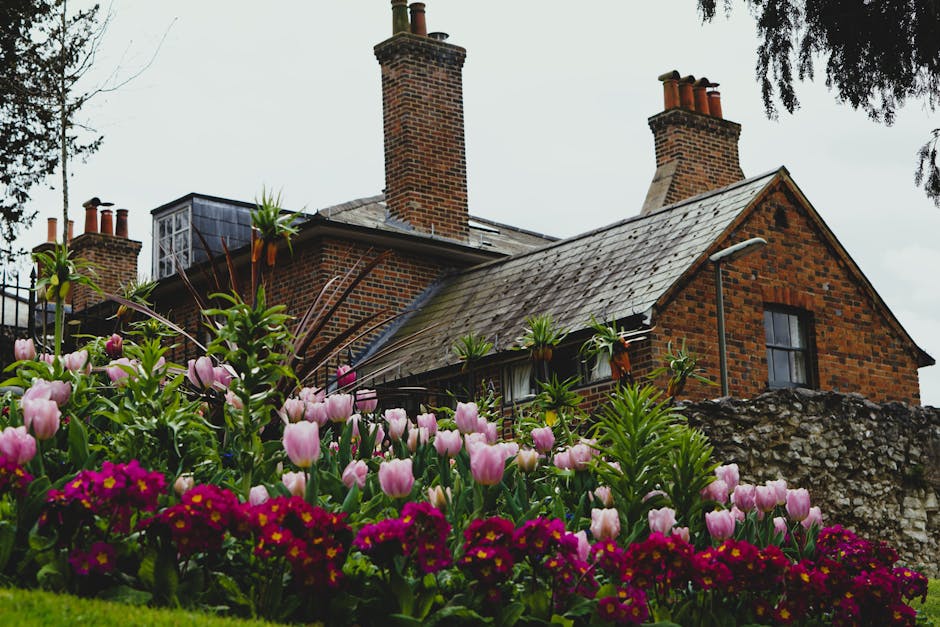
Gardeners for listed buildings near The Cut
Finding the right gardeners for listed buildings near The Cut is a bit different from booking a standard garden tidy-up. With older properties, shared boundaries, tight access, and the need to protect historic details, the work has to be careful, tidy, and properly planned. You want a garden that looks lived-in and well kept, not one that has been overworked into something that feels out of place.
That is the balance this guide is here to help with. Whether you are responsible for a listed home, a period flat with a courtyard, or a heritage property close to the bustle of The Cut, you will find practical advice on how garden care should work, what to ask before you hire anyone, and where the common risks tend to appear. Truth be told, good listed-building gardening is often less about big dramatic changes and more about consistency, judgement, and a steady hand.
If you need a broader view of available services, the services overview is a useful place to start. For regular upkeep, you may also find garden maintenance, hedge trimming, lawn mowing, and tree lopping and removal relevant, depending on the size and condition of the outdoor space.
Table of Contents
- Why Gardeners for listed buildings near The Cut Matters
- How Gardeners for listed buildings near The Cut Works
- Key Benefits and Practical Advantages
- Who This Is For and When It Makes Sense
- Step-by-Step Guidance
- Expert Tips for Better Results
- Common Mistakes to Avoid
- Tools, Resources and Recommendations
- Law, Compliance, Standards, or Best Practice
- Options, Methods, or Comparison Table
- Case Study or Real-World Example
- Practical Checklist
- Conclusion
- Frequently Asked Questions
Why Gardeners for listed buildings near The Cut Matters
Listed buildings are not just old buildings. They are protected, lived in, and often full of details that can be damaged by rushed or careless garden work. Near The Cut, where space can be tight and properties may sit close to pavement edges, party boundaries, or busy access routes, that care matters even more.
A specialist-minded gardener understands that the outdoor space is part of the building's setting. A neat planting bed, a restrained hedge line, or a sensitive path clearance can enhance the property without making it look modernised beyond recognition. On the flip side, heavy pruning, aggressive digging, and harsh edging can leave a garden looking stripped out and can sometimes create avoidable issues with roots, walls, drainage, or surfaces. Nobody wants that headache on a wet Friday afternoon.
There is also the practical side. Period gardens often have compact layouts, mature shrubs, old paving, and fragile surfaces. A gardener who understands listed buildings will usually work more slowly, check access, and think ahead about waste removal, moisture management, and how the garden should age over time. That approach tends to save money in the long run, even if it looks a touch more deliberate at the start.
For some properties, the outdoor space may be part of a wider landscaping plan. If so, services like landscape gardening and landscaping can be useful, but only when they are handled with restraint and a proper understanding of the building's character.
Expert summary: With listed properties, the best gardening work is usually the least conspicuous work. Keep it tidy, keep it sympathetic, and avoid anything that could look overdone or be difficult to reverse later.
How Gardeners for listed buildings near The Cut Works
The process is usually more consultative than a normal garden booking. That is a good thing. A competent team will often begin by looking at the site as a whole: access, planting condition, boundary features, any mature trees, the condition of paving or walls, and whether the space is mainly ornamental, functional, or somewhere in between.
From there, the work is planned in stages. For example, a courtyard may need selective clearing first, then seasonal maintenance, then pruning or re-shaping once the structure of the space is understood. In some cases, the goal is not to change the garden dramatically at all. It might simply be to bring it back into shape and keep it there. Simple, but not easy.
A thoughtful gardener will also ask questions that matter for listed buildings: Are there historic surfaces to avoid? Is there old mortar that should not be disturbed? Are any climbing plants attached to fragile brickwork? Are there restrictions on how much can be cut back around boundary walls or tree canopies? These are the kinds of details that separate careful work from guesswork.
If the site has been neglected, a one-off garden clearance may be the first step, followed by a lighter maintenance schedule. If the planting is established but untidy, maintenance and hedge shaping may be enough. The work should always match the property, not the other way round.
What a good process usually includes
- A site visit or clear photo review before work starts
- Discussion of what should stay, not just what should go
- Checking access routes, surface protection, and waste handling
- Careful pruning rather than hard cutting where possible
- Cleaning and tidying the space so it feels finished, not just trimmed
Key Benefits and Practical Advantages
When gardeners understand listed buildings, the benefit is not just visual. You get fewer surprises, better preservation of the space, and a garden that feels appropriate to the property. That may sound obvious, but in real life it is where many jobs go wrong.
One major benefit is protection of historic fabric. Old brickwork, render, timber edging, paving, and boundary features often react badly to rough handling. A careful gardener can reduce that risk by using the right tools and by knowing when to stop. Sometimes restraint is the whole point.
Another benefit is consistency. Historic gardens can look shabby very quickly if they are only tackled once in a while. Regular upkeep means weeds do not get established, hedges do not get away from you, and trees are monitored before they become awkward. If the space is part of a rental or managed property, that consistency also helps with presentation and tenant confidence.
There is also a time-saving advantage. A well-organised team will often be quicker in the right places because they are not making mistakes and re-doing work. That does not mean rushing. It means knowing the difference between a border that needs selective deadheading and one that needs a full seasonal reset.
For many owners, a sympathetic approach can also support value. A neat, balanced exterior gives visitors, residents, and passers-by a stronger first impression. Near The Cut, where people notice detail, that matters more than you might think.
| Approach | Best for | Strengths | Watch-outs |
|---|---|---|---|
| Light maintenance | Managed, established gardens | Preserves character, lower disturbance | Needs regular scheduling |
| Selective clearance | Overgrown or neglected spaces | Creates a clean starting point | Can reveal hidden damage or access issues |
| Sympathetic landscaping | Courtyards, frontage areas, small heritage gardens | Improves flow and use while respecting the building | Must be planned carefully |
| Tree and hedge management | Mature boundaries and screening | Improves light, shape, and safety | Needs judgement near masonry and structures |
Who This Is For and When It Makes Sense
This service makes sense for a few different types of people. Homeowners in listed properties are the obvious group, but not the only one. Landlords, estate managers, commercial occupiers, and people caring for a family property often need the same kind of careful help, especially if the garden is visible from the street or shared by several residents.
It is also relevant if you are dealing with a garden that has become awkward rather than simply untidy. Maybe the hedge has grown into the path. Maybe the old lawn is patchy and uneven. Maybe the courtyard drains slowly after rain and needs a softer, less intrusive approach. Or maybe you have inherited a garden that feels a bit like it belongs to three different decades. Happens more than people admit.
Another common scenario is the pre-sale tidy-up. Buyers of listed buildings often look closely at external condition, and a rough garden can make the whole property feel more difficult than it really is. A careful reset can help show the space properly without pretending it is something it is not.
If you are comparing providers, check whether they can explain how they work around sensitive surfaces, mature plants, and heritage features. That is where a reliable team earns trust. It also helps to review practical pages such as about us, insurance and safety, and health and safety policy before booking.
Step-by-Step Guidance
Here is a sensible way to approach gardening work on a listed property near The Cut.
- Assess the garden honestly. Look at what is overgrown, what is healthy, what is historic, and what is simply in the wrong place. Do not start by deciding what to remove. Start by deciding what matters.
- Identify sensitive features. This might include old walls, railings, uneven paving, mature roots, trellises, and climbing plants attached to the building. Even a small hidden crack can change the job plan.
- Choose the right level of intervention. A light prune may be enough. In other cases, a clearance phase followed by maintenance is the better route. There is no prize for the hardest cut.
- Confirm access and protection. For small South London-style gardens, access can be the biggest challenge. Protect floors, mind narrow passages, and keep waste routes clean.
- Schedule the work in the right season. Some tasks are better done at certain times of year. If you are not sure, ask before anything is cut back sharply. It saves bother later.
- Finish with a maintenance plan. A tidy listed garden is usually easier to keep neat than to restore from scratch. Regular visits often beat occasional big interventions.
A practical example: a small courtyard beside a listed terrace may need selective hedge reduction, moss control on hard surfaces, and tidy replanting rather than a full redesign. That kind of measured work usually leaves the garden feeling calm and coherent. Not flashy. Just right.
Expert Tips for Better Results
First, always think in layers. Start with structure, then planting, then finishing. If you cut everything at once, it becomes much harder to see what the garden actually needs. A bit of patience here goes a long way.
Second, keep the character of the garden in mind. Listed buildings rarely suit overly contemporary edging or highly geometric planting unless the setting already supports that style. Soft lines, restrained planting, and good upkeep often work better. A garden does not need to shout to look expensive.
Third, don't underestimate cleaning. Clear edges, swept paths, and tidy borders can transform a small heritage garden without any major construction at all. People often expect a big redesign when what they really needed was order.
Fourth, ask for a maintenance rhythm that fits the property. Some gardens need monthly attention. Others only need seasonal visits plus targeted hedge or tree work. It depends on growth, shade, and how much the space is used.
Finally, choose people who can explain their decisions in plain English. If someone says, "We'll just take it back a bit," that may be fine for a shed plot, but it is not enough for a listed property. You want specifics. What bit? How much? Why now? Fair questions, really.
Common Mistakes to Avoid
The biggest mistake is treating a listed garden like an ordinary rear yard. That is where heavy pruning, over-digging, and rough clean-outs tend to happen. Once done, they can be difficult to reverse.
Another common issue is ignoring the building itself. Plants growing against old masonry may look charming until they trap moisture, hide cracks, or make inspection difficult. A good gardener will balance appearance with long-term care.
A third mistake is not planning for waste. In smaller local spaces, cutting everything first and thinking about removal later can leave you with blocked access and a mess that is harder to manage than the original overgrowth. Not ideal. Not even close.
People also sometimes over-specify the result. They ask for "tidy" but mean "hacked back"; or they ask for "natural" but mean "let it run wild." A short conversation at the start helps avoid that mismatch. It sounds simple, but it saves a lot of awkwardness.
One more: skipping maintenance after the initial work. A restored listed garden can slide backwards surprisingly fast, especially with London's growth patterns and shaded corners. A little follow-up care keeps it from becoming a repeat rescue job.
Tools, Resources and Recommendations
The best tools are not always the flashiest. For sensitive heritage gardens, lighter hand tools, sharp secateurs, small pruning saws, clean shears, edging tools, and low-impact clearing equipment are often more useful than oversized machinery. The goal is control.
For larger or more demanding sites, a professional team may also need access to waste bags, transport for green waste, protective sheets for paths, and equipment for tree and hedge work. Good organisation matters. A cluttered crew is usually a warning sign, frankly.
It is also wise to look for a provider that works with clear policies. Pages like pricing and quotes, payment and security, and recycling and sustainability can give you a better sense of how the business handles practical matters beyond the garden itself.
If you are comparing broader service support, garden maintenance is usually the most relevant ongoing option, while tree lopping and removal is for more serious structural or safety-related work. Use the lightest service that honestly fits the job.
Law, Compliance, Standards, or Best Practice
With listed buildings, compliance is not something to wing. Even if some gardening tasks are straightforward, the setting may be sensitive enough that pruning, tree work, surface changes, or anything affecting the structure should be considered carefully. In the UK, owners and occupiers usually need to take extra care with protected buildings and with anything that could alter their character.
That does not mean every small garden task needs a formal process. It does mean you should avoid assumptions. If a job may affect historic fabric, roots close to the building, boundary features, or permanent surfaces, it is sensible to seek proper guidance before work begins. A reputable gardener should be comfortable saying, "This is fine," or "This needs checking first."
Best practice also includes safe working methods. That means clear access, appropriate equipment, sensible use of machinery, and attention to risks around uneven paving, trip hazards, and fragile edges. If tree work is involved, competence and insurance become especially important. You can check a provider's approach through insurance and safety and health and safety policy.
For heritage sites, a conservative approach is usually the safest one. Protect the building first. Improve the garden second. That order really matters.
Options, Methods, or Comparison Table
Different listed gardens need different levels of intervention. Here is a simple comparison to help you think it through.
| Method | What it involves | Best used when | Why it works |
|---|---|---|---|
| Light touch maintenance | Trimming, edging, weeding, lawn care, seasonal tidying | The garden is already in decent shape | Keeps character intact while improving appearance |
| Restorative clearance | Removing excess growth, clearing paths, reducing clutter | The space has become neglected | Creates breathing room and reveals the structure |
| Sympathetic reshaping | Selective pruning, balanced borders, subtle planting corrections | The layout works but looks tired | Improves the look without overhauling the site |
| Targeted tree and hedge work | Reducing height, shaping boundaries, managing shade | Light, privacy, or safety is becoming an issue | Better growth control with less risk to nearby features |
If you are unsure which route fits your place, start with the least aggressive option and build from there. That tends to produce better results on heritage properties than going in hard on day one.
Case Study or Real-World Example
Imagine a compact listed property near The Cut with a narrow rear garden, old paving, a tired hedge line, and a few self-seeded shrubs that have got a bit ambitious. The owner does not want a full redesign. They just want it to feel cared for again, without losing the period feel.
The work begins with a careful clear-out of loose debris, weeds, and dead material. The hedge is reduced with a light hand rather than chopped flat. Overgrown branches are lifted to improve light, but not so much that the garden feels exposed. The paving is cleaned and edged, and the planting beds are simplified rather than emptied. No drama. No over-engineering.
What changes most is the feeling of the space. It becomes easier to walk through. The walls are visible again. The garden smells fresher after a rain shower. And, importantly, the result still looks like it belongs to the building. That is what good gardening for listed properties should do.
This kind of outcome usually comes from steady judgement rather than big moves. To be fair, it is a little like tailoring a suit: the best work is the work you barely notice, but you feel the difference straight away.
Practical Checklist
Use this checklist before booking or starting work on a listed garden.
- Confirm the property's listed status and any sensitivities you already know about
- Walk the garden and note fragile surfaces, boundary walls, and mature plants
- Decide whether you need clearance, maintenance, hedge work, or tree work
- Ask how the gardener will protect paths, walls, and access points
- Check whether they understand sympathetic pruning and historic settings
- Make sure waste removal and site clean-up are included or clearly explained
- Agree on the finish you want: neat, restored, or lightly reshaped
- Set a follow-up schedule so the garden does not slip back quickly
- Review business information such as about us and complaints procedure if you want more reassurance before instructing anyone
If a box is still unclear, ask. A good provider would rather answer a practical question now than correct a misunderstanding later.
Conclusion
Choosing gardeners for listed buildings near The Cut is really about finding someone who respects the property as much as the planting. The right approach protects heritage details, keeps the garden usable, and avoids those overdone results that never quite feel right afterwards.
Start with a careful assessment, choose the lightest effective method, and keep maintenance regular once the space is back under control. Whether you need hedge shaping, lawn care, selective clearing, or a broader garden tidy-up, the aim is the same: a garden that feels in tune with the building and easy to live with day to day.
Get a free quote today and see how much you can save.
And if you are still weighing up the next step, that is fine too. A listed garden is a long game, really. Done well, it grows more graceful with time.
Frequently Asked Questions
What makes gardening on a listed building different?
It is different because the outdoor space may contribute to the character of the property, and the surfaces, planting, and boundaries can be more sensitive than on a standard home. The approach should be careful, measured, and easy to reverse where possible.
Do listed buildings always need specialist gardeners?
Not always, but they do need gardeners who understand heritage settings and work with restraint. If the job is simple lawn mowing or light weeding, the main requirement is still judgement and care.
Can I cut back overgrown shrubs near a listed wall?
Often yes, but it depends on the plant, the wall condition, and how close the growth is. If the plant is supporting itself against fragile masonry, it is better to assess it first rather than cut blindly.
Is hedge trimming allowed around a listed property?
Usually yes, but it should be done carefully so the hedge is shaped rather than harshly reduced. Around heritage properties, the look and the long-term effect both matter.
What if the garden has been neglected for years?
That is where a staged approach helps. Start with clearance, then bring in maintenance, pruning, and any tidy-up work after the structure of the space is visible again.
How often should a listed garden be maintained?
It depends on growth, shade, and use. Some gardens need monthly attention, while others only need seasonal visits. The key is not letting the space slide into a cycle of rescue work.
Do I need permission for every garden change?
No, not every task needs formal permission. But anything that could affect the character of the listed building or its setting should be considered carefully. When in doubt, pause and check before making permanent changes.
What services are most useful for this type of property?
Regular garden maintenance, hedge trimming, lawn mowing, selective clearance, and careful tree work are often the most relevant. Some properties may also benefit from light landscaping if the layout needs a sympathetic reset.
How do I know if a gardener is suitable for a heritage property?
Ask how they would protect old surfaces, how they approach pruning, and whether they have experience working around historic features. Clear answers are usually a good sign. Vague answers, less so.
Can landscaping be done on a listed building without ruining the character?
Yes, if it is done with restraint and proper planning. The best results usually come from subtle improvements rather than bold modern interventions. It should feel like it belongs there.
What should I ask before booking?
Ask what they will do, what they will avoid, how they handle waste, how they protect fragile areas, and whether follow-up maintenance is included or recommended. That conversation tends to reveal a lot.
Where can I learn more about the company's approach?
You can review pages such as about us, services overview, and recycling and sustainability to get a better sense of the service ethos and how the work is handled.